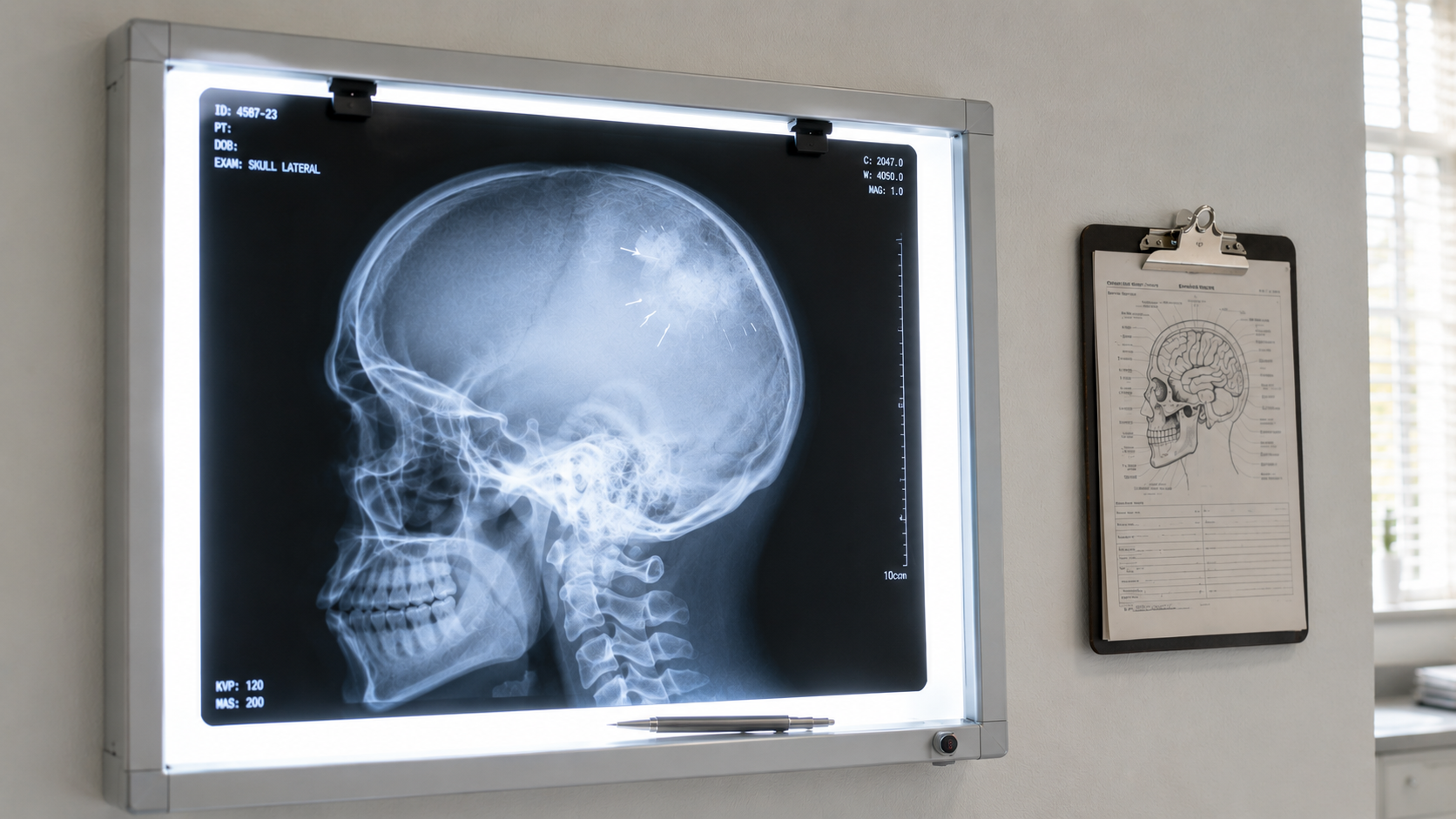






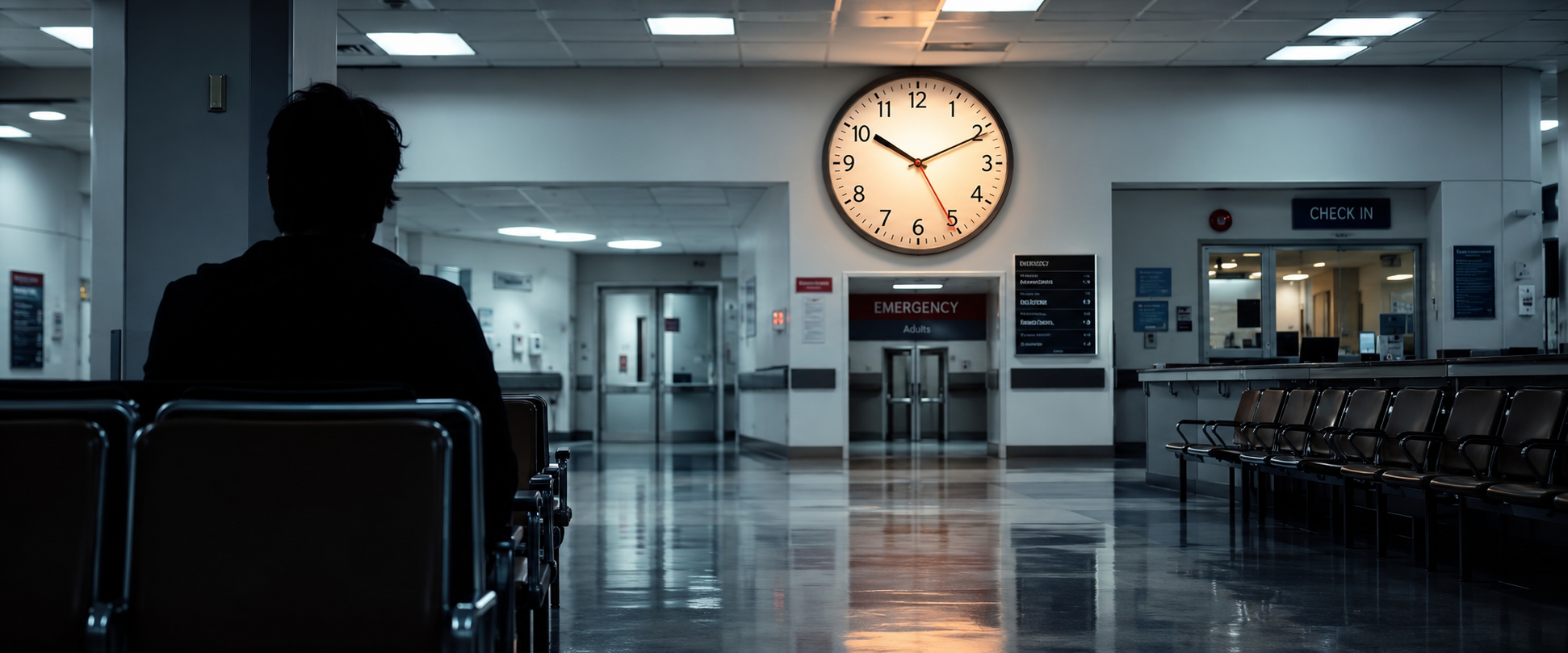
A 41-year-old woman is brought to a Los Angeles emergency room after a serious car crash. She is conscious but confused. Her speech is slurred. She has a visible head wound.
At the registration desk, a clerk asks for her insurance card. She doesn't have one. The clerk asks for a credit card to hold against the bill. She doesn't have that either.
The triage nurse comes out. Looks at her chart. Tells her family that without insurance or payment information, the wait will be "very long" — and suggests they try the public hospital across town.
Her family loads her into their car. She has a seizure in the back seat fourteen minutes later.
This scenario plays out in California every day. It is also explicitly illegal under both federal and state law. Hospitals that delay, deflect, or refuse emergency treatment based on insurance status — particularly when a patient is showing signs of a traumatic brain injury — are violating one of the most powerful patient-protection laws in the country.
Most victims never know. The hospitals are counting on that.
the law is not ambiguous
Two layers of law protect you when you arrive at a hospital with a brain injury — or any other emergency medical condition — in California.
Federal law: EMTALA. The Emergency Medical Treatment and Active Labor Act (42 U.S.C. § 1395dd) requires every hospital with an emergency room to provide a "medical screening examination" to any person who arrives requesting care. If an emergency medical condition is identified, the hospital must either stabilize the patient or, only if necessary and only if the patient consents, transfer them to a facility that can. None of this is contingent on insurance status, ability to pay, immigration status, or anything else.
California law: Health & Safety Code § 1317. California codifies and strengthens the federal rule. Every hospital licensed in the state must provide emergency services and care without regard to the patient's ability to pay. Hospitals that violate this provision face civil penalties, license consequences, and direct liability to the harmed patient.
California law: the Knox-Keene Act. If the patient is enrolled in a health care service plan, the plan must reimburse the medical provider for emergency care, even if the provider is out of network. If the plan does not have a contract with the provider, the plan must pay the "reasonable and customary value" of the services. The hospital cannot delay treatment while these payments are negotiated.
In other words: the law doesn't just protect you from being turned away. It protects the hospital from being financially penalized for treating you. There is no legitimate financial reason for a California hospital to delay emergency brain injury care based on insurance status.
what this looks like in a TBI case
Brain injuries are particularly vulnerable to insurance-based delays because the early hours are decisive.
The first hour after a head trauma is the medical window during which catastrophic bleeds can be identified and intervened upon. Intracranial pressure can be measured and controlled. Surgical intervention, when needed, has its highest chance of preserving function. Cognitive damage that becomes permanent if untreated is often reversible if addressed quickly.
Every minute spent on insurance verification, payment authorization, or facility transfer is a minute the brain is not being treated.
Hospitals know this. ER physicians know this. The administrative staff who handle intake do not always know this — and the financial systems they operate under sometimes reward them for delaying care to non-payers. The result is a structural conflict between medical urgency and billing process, with brain injury patients caught in the middle.
When a brain injury outcome is worsened by an unlawful delay, that delay becomes part of the case. The original defendant (the at-fault driver, property owner, etc.) is still on the hook for the injury. But the hospital that delayed care can be a separate defendant — with separate insurance coverage and separate damages.
the warning signs of unlawful delay
Most patients in a medical emergency are not in a position to recognize when their rights are being violated. Family members are. The following are red flags:
A registration clerk asks for insurance, payment, or financial information before a medical screening has occurred. This is the most common violation. The screening must happen first.
Staff suggest you "go to a different hospital" without first conducting a medical evaluation. A patient can only be transferred after they've been stabilized OR after a documented medical reason for transfer exists. "We're out of network with your plan" is not a medical reason.
You are placed in a long waiting area while obviously stable patients — and patients with insurance — are taken back first. Medical urgency, not financial status, determines triage priority.
You are pressured to sign financial responsibility paperwork before any medical care is provided. The hospital cannot condition emergency treatment on the signing of any document.
You are discharged before a brain injury workup is complete because "your insurance won't cover the additional tests." Coverage decisions are not the hospital's call to make in real time during an emergency. Treatment first, billing later.
Any of these patterns may constitute an EMTALA or Health & Safety Code violation. All of them may strengthen a personal injury case.
What to do is this happens
If you or your family member is being delayed or deflected from emergency care:
- Document everything. Times of arrival, names of staff, what was said, when the treatment was provided. Photos and contemporaneous notes are powerful evidence.
- Ask for the hospital's patient advocate. Every California hospital is required to have one. Their job is to address exactly this kind of dispute. Asking for them often resolves the immediate issue.
- State the law clearly. Many ER staff will reset their behavior when they understand the patient knows the law.
"Federal EMTALA and California Health and Safety Code 1317 require you to provide emergency care without regard to insurance status. Please conduct the medical screening exam now." Many ER staff will reset their behavior when they understand the patient knows the law.
- Call 911 from the waiting room if necessary. Yes, from inside the hospital. If a patient is in active medical distress and being denied care, the situation is itself a medical emergency. Paramedics can document the delay and transport to a different facility.
- Get the medical records immediately afterward. California law gives patients the right to their records. Get them while the events are fresh.
These steps preserve evidence, often resolve the immediate emergency, and lay the groundwork for any subsequent legal claim.
the bottom line
Brain injuries do not wait for insurance verification. The law in California does not require them to. Any hospital that delays, deflects, or denies emergency TBI care based on what's in your wallet is violating both federal and state law — and any worsening of the injury caused by that delay is part of the legal damages.
Most patients never realize this. Their personal injury cases get settled on the value of the original crash, and the hospital's role in worsening the outcome gets quietly ignored. Don't let that happen if it shouldn't.
If you survived a TBI but the hospital's response to it left you in worse condition than you needed to be — find out what your case is actually worth.