







A brain injury is unlike a broken bone; it doesn't always appear on an initial CT scan. In the legal world, insurance adjusters use "normal" early scans to argue that your injury is minor or non-existent. To win a TBI case, you must look beyond the radiology report and document the functional reality of your life.
THE "NEGATIVE SCAN" FALLACY
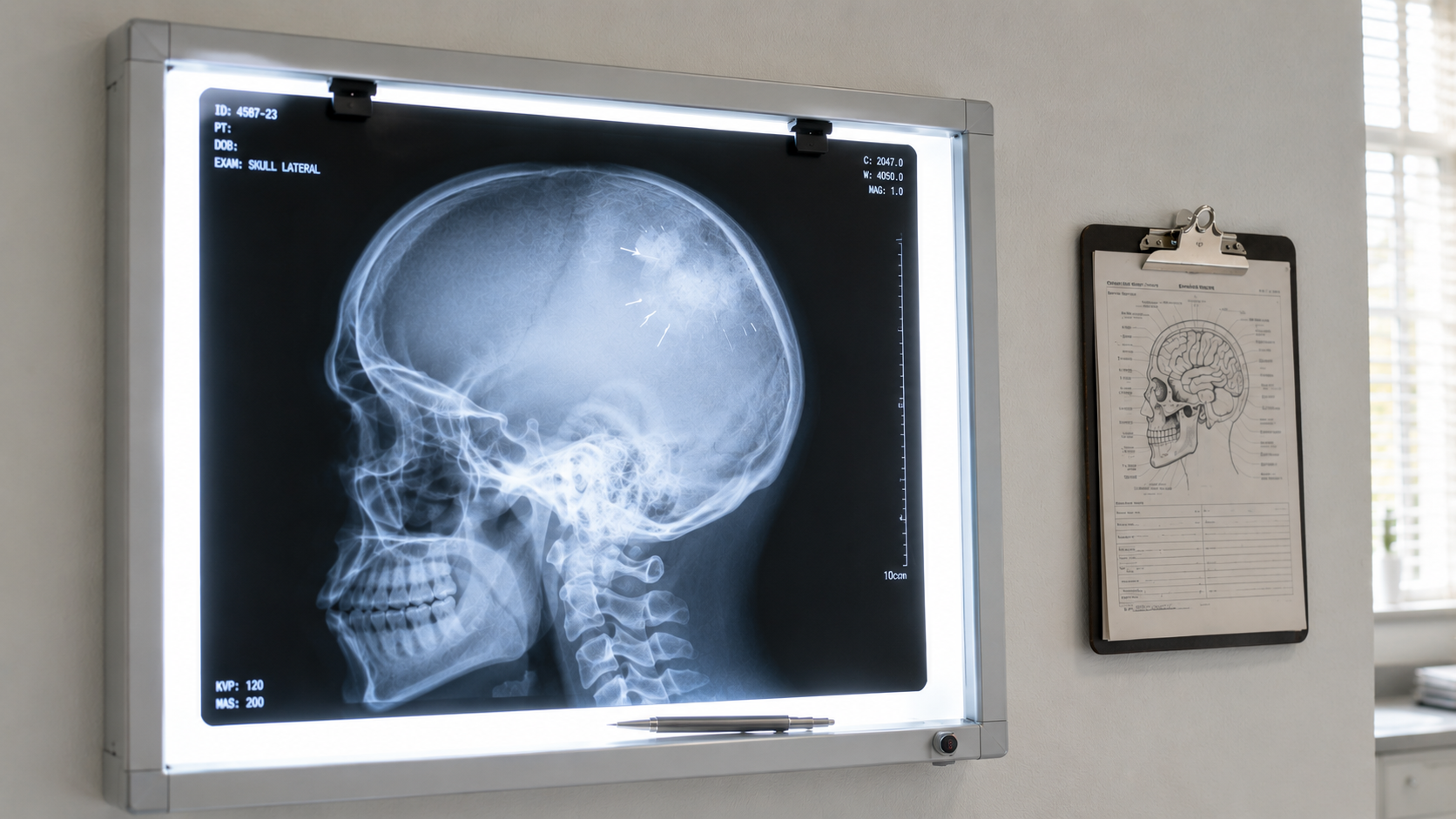
Most Emergency Rooms use CT scans to check for immediate brain bleeding.
- The Reality: A "clear" CT scan does not mean you don't have a brain injury. Microscopic axonal shearing (the tearing of brain fibers) is often invisible to standard hospital equipment.
- The Action: If you are experiencing "brain fog," light sensitivity, or personality changes despite a clean scan, demand a referral to a Neurologist or Neuropsychologist. Advanced imaging like a 3T MRI or DTI (Diffusion Tensor Imaging) may be required to prove the damage. Your attorney will help you locate the best professionals in this field to prove your case.
THE "SYMPTOM JOURNAL" AS EVIDENCE
In a California personal injury or bad faith case, your daily experience is admissible evidence.
- The Trap: If you tell a doctor "I'm doing okay" because you're having a rare good day, that note will be used to deny your claim later.
- The Action: Keep a "Cognitive Log." Document instances of:
- Word-finding difficulties (aphasia).
- Emotional volatility (unexplained anger or crying).
- Sleep disturbances and chronic headaches.
- Executive dysfunction (forgetting to turn off the stove or losing track of time).
- Word-finding difficulties (aphasia).
THE "BEFORE & AFTER" WITNESS LIST
Since you are the one with the injury, you may not be the best judge of your own cognitive decline.
- The Action: Identify "Lay Witnesses"—friends, family, or co-workers who knew you before the accident. Their testimony regarding the change in your personality or work performance is often more persuasive to a jury than a medical expert's chart.
NAVIGATING THE "DME" (DEFENSE MEDICAL EXAM)
The insurance company will eventually demand you see "their" doctor for an "Independent" Medical Examination (IME).
- The Trap: These doctors are paid to find that you are "malingering" (faking) or that your symptoms are due to "pre-existing stress."
- The Action: Never agree to a medical exam before you talk to an attorney. Remember—not all attorneys know the rocky waters of brain injury litigation. If you agree to a medical exam now and then are forced to litigate your case to get full compensation, they will be entitled to a second exam.
THE ATTORNEY'S VERDICT
The brain is the most complex organ in the body, yet insurers treat TBI claims with an "outrage approach"—if we can't see it, it doesn't exist. If your insurer is dismissing your symptoms because your initial scans were "normal," they are ignoring the medical reality of brain trauma, and they are doing it on purpose.


.png)