






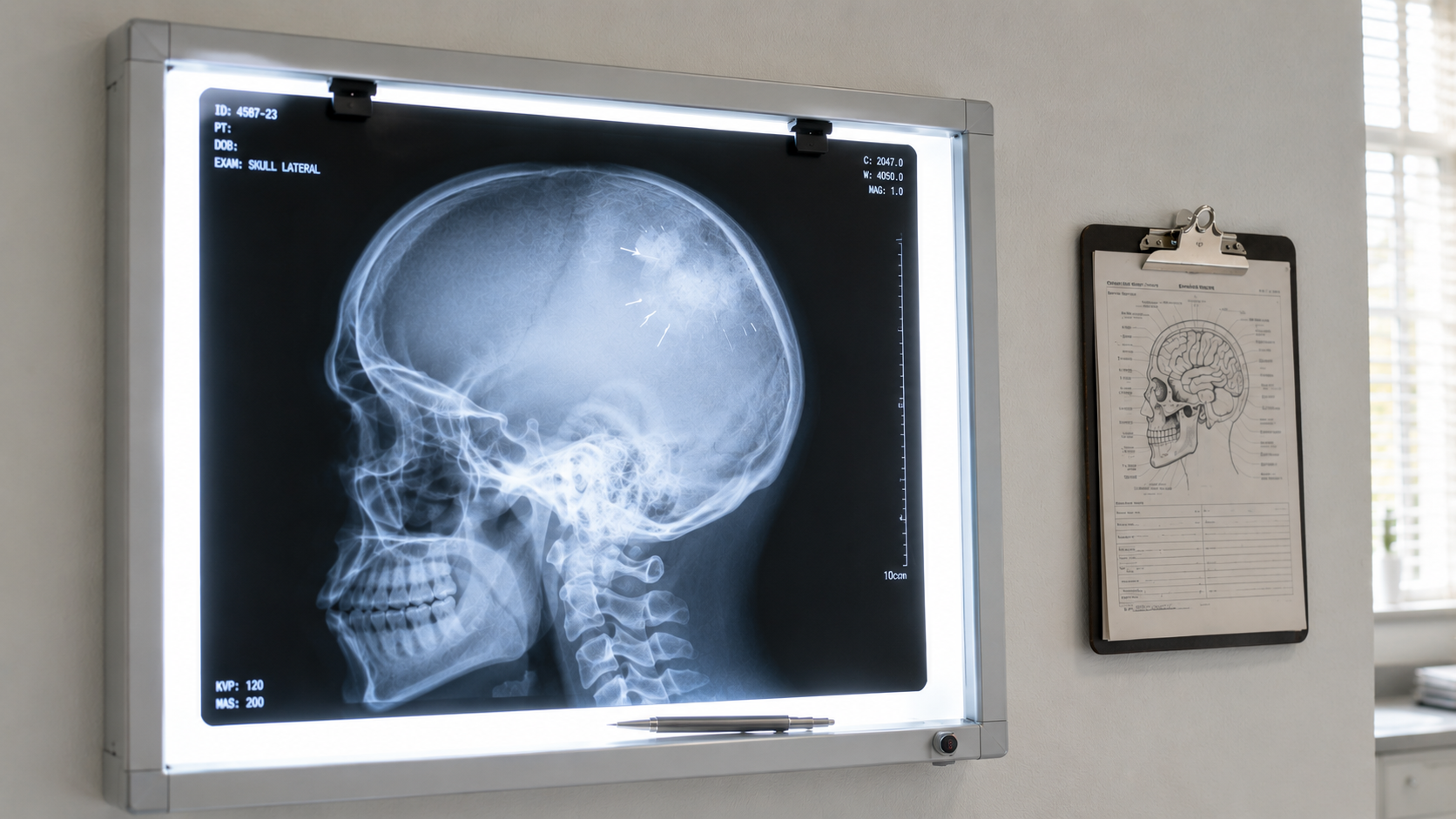
In the insurance industry, the word "mild" is often weaponized to minimize your suffering and lower your settlement. But in the medical community, a concussion is recognized as a closed head trauma—a Mild Traumatic Brain Injury (mTBI)—a serious neurological event that can result in permanent cognitive and emotional deficits.
The Clinical Definition of mTBI
According to the U.S. Centers for Disease Control and Prevention (CDC) and the National Brain Injury Association of America (NBIAA), a concussion is not defined by a "knockout" blow. In fact, you do not need to lose consciousness to have suffered a serious brain injury.
The NBIAA and the CDC identify the following criteria for the diagnosis of a concussion/mTBI. Any period of observed or self-reported:
Transient confusion, disorientation, or impaired consciousness;
- Transient confusion, disorientation, or impaired consciousness;
- Dysfunction of memory around the time of injury; or
- Loss of consciousness lasting less than 30 minutes.
The Reality: A loss of consciousness is not required. A mere dazed condition, impaired memory, or altered state of mind is sufficient to constitute a traumatic brain injury.
What Happens Inside the Skull?
The CDC defines a concussion as a complex injury caused by a bump, blow, or jolt to the head, or a hit to the body that causes the head and brain to move rapidly back and forth.
To understand why a concussion is serious, you must understand the physics of the brain. The human brain does not have the consistency of a muscle; it has a texture similar to thick Jell-O.
When sudden force is applied to the head, it causes the brain to move violently within the rigid walls of the skull, resulting in cortical contusions (bruising of the brain tissue):
- Coup (Initial Impact): The head moves back very quickly, and the front part of the "Jell-O-like" brain gets smashed into the front of the skull.
- Contrecoup (Secondary Impact): The head then rapidly whips forward, causing the back side of the brain to be smashed into the rear of the skull.
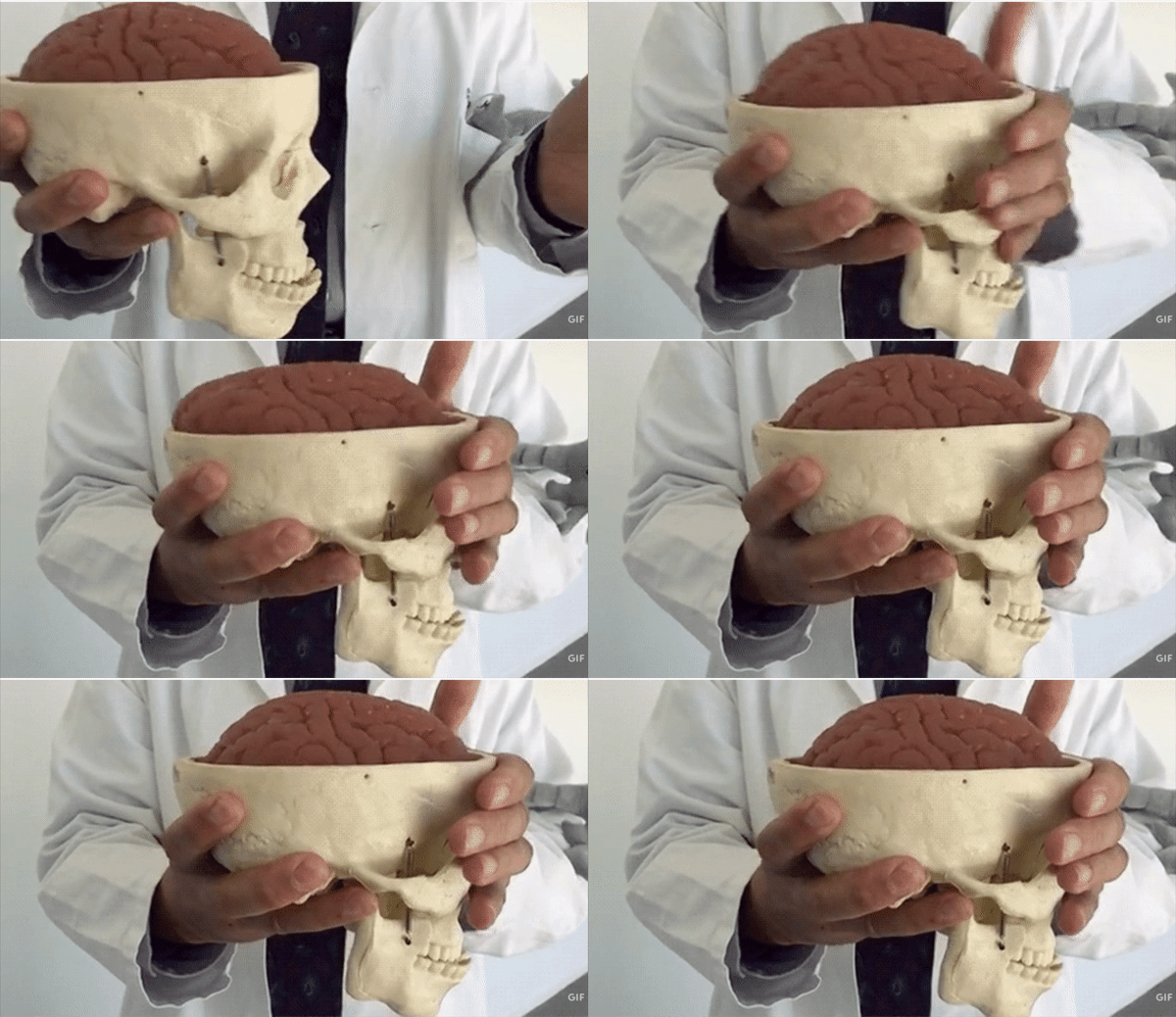
This violent motion can lead to a cascade of neurological disruptions, affecting everything from memory to motor skills.
This sudden movement creates a physical and chemical "storm" inside the skull, leading to:
- Mechanical Force: The brain bouncing or twisting inside the skull.
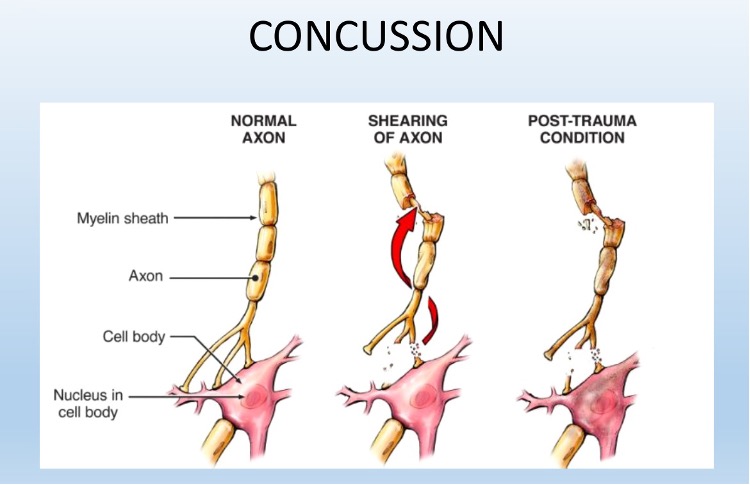
- Microscopic Damage: The stretching and damaging of delicate brain cells (axonal shearing).
- Chemical Imbalance: Significant chemical changes in the brain that disrupt normal signaling.
These changes can fundamentally alter how a person thinks, learns, feels, acts, and sleeps.
A Universe Under Attack: Damage at the Cellular Level
The human brain is made of billions of nerve cells. A piece of brain tissue as tiny as a grain of sand contains 100,000 neurons, two million axons (the fibers along which signals flow), and a billion connections. These neurons "talk" to each other across tiny gaps called synapses.
The brain sends electrochemical pulses through these connections, giving you the ability to think, move, feel, remember, and plan. It regulates your heart rate, your breathing, and your five senses. It is the repository for our souls. We have thick skulls, but inside sits this incredibly vulnerable and complex organ.
What happens during a concussion? As a result of the trauma and the fast back-and-forth movement, the axons that serve as channels for information become swollen or torn. This impairs or severs the transport of signals within the brain and between the brain and the body. When the "wiring" is torn, the neurological and physiological functions of the entire body are affected.
Why the "Mild" Label is Misleading
The term "mild" refers only to the initial clinical presentation (such as the length of unconsciousness or the results of early scans). It does not describe the long-term impact on the victim's life. In reality, concussion is a closed head trauma.
The CDC's Report to Congress emphasizes that mTBI is a serious public health problem. For many, the "mild" injury results in "Post-Concussion Syndrome," leading to chronic headaches, depression, and an inability to return to work—economic and personal damages that are anything but mild.
THE ATTORNEY'S VERDICT
When an insurer dismisses a concussion, they are dismissing the destruction of millions of axonal connections. They are taking for granted the very organ that regulates your life. If they refuse to acknowledge the clinical and biological reality of your head trauma, they are failing to evaluate your claim in good faith.



.png)