




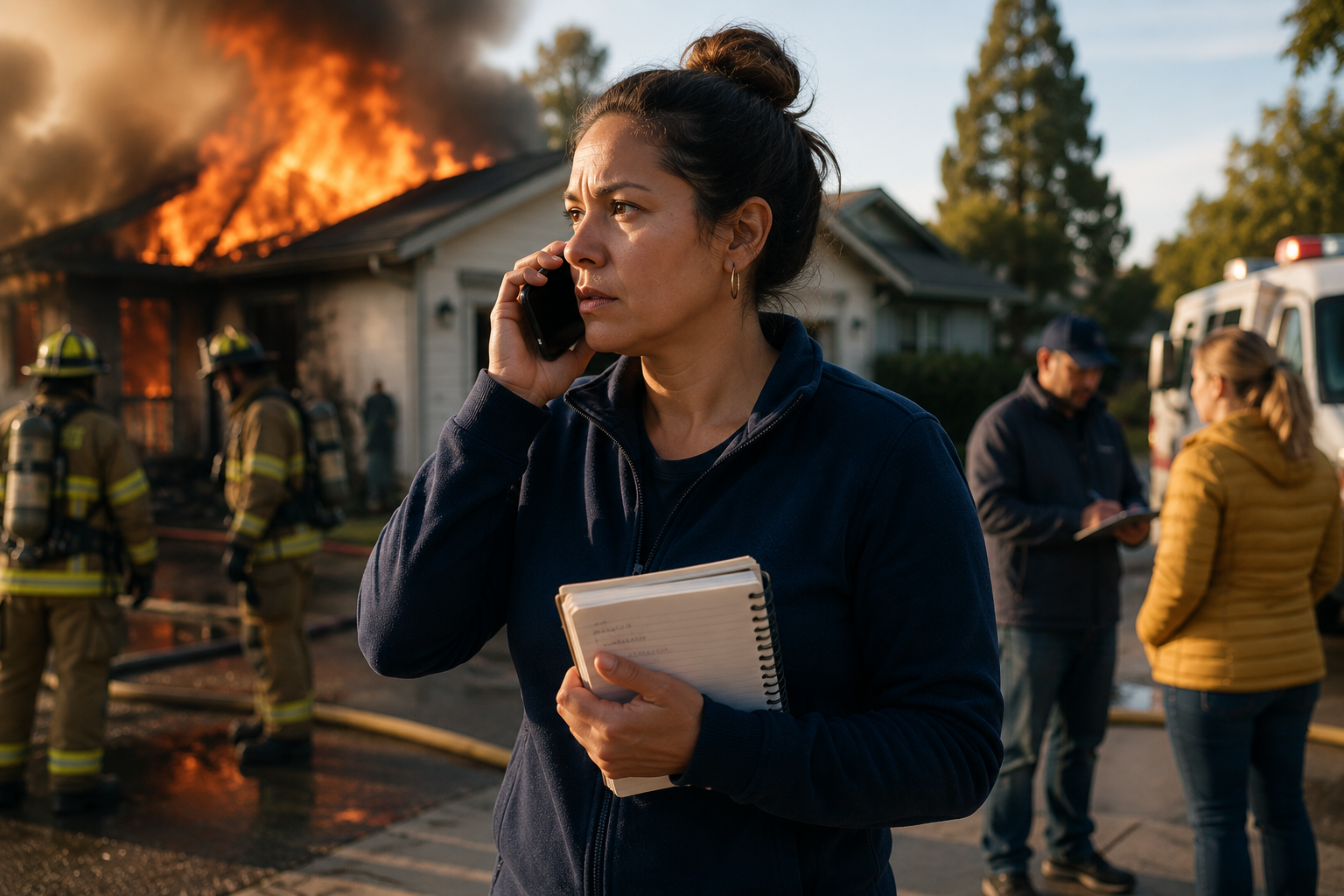
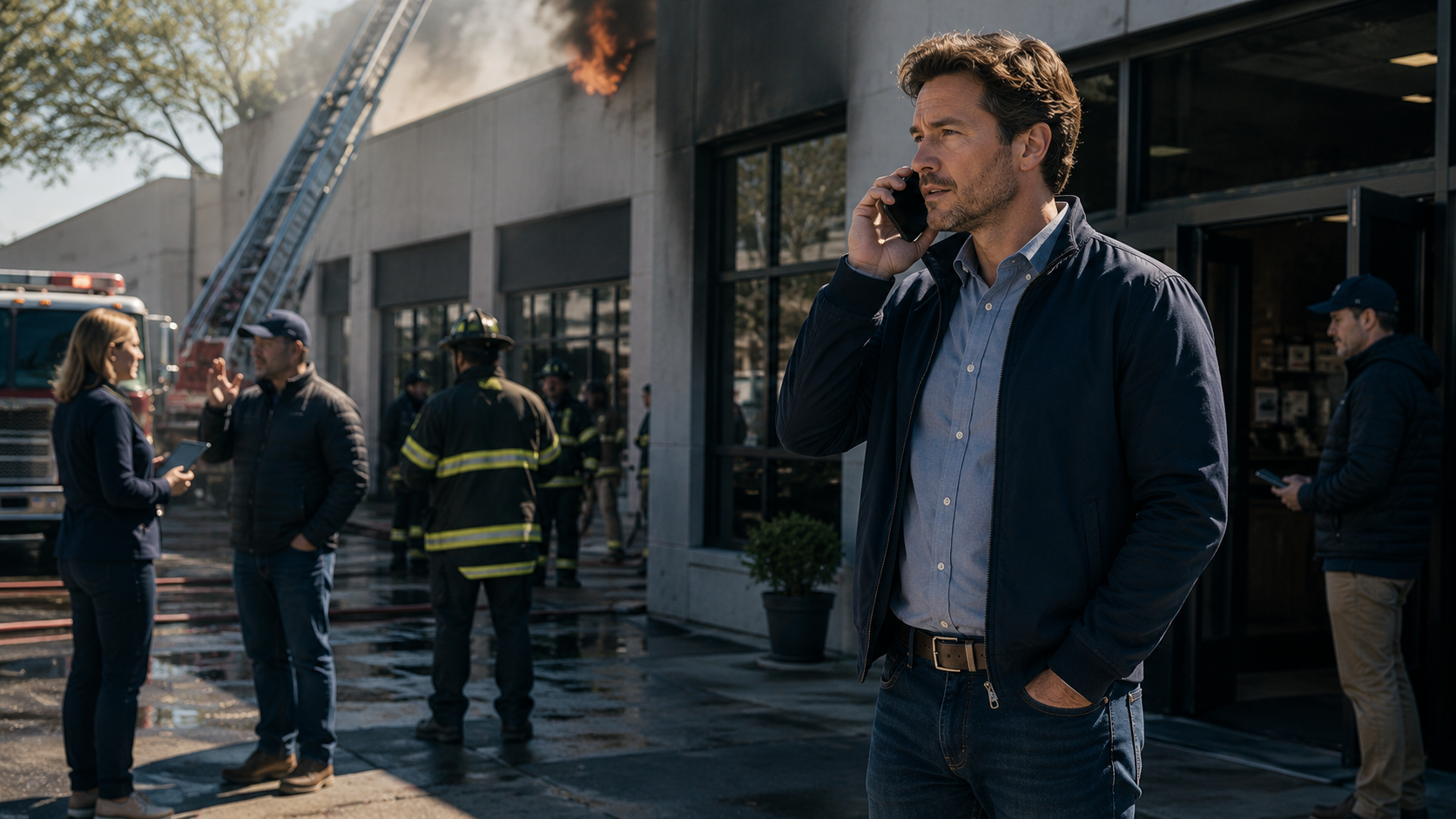
In the wake of a residential or commercial fire, the insurance company will move faster than you are prepared for. Their goal is to "stabilize" the claim—which often means steering you toward vendors who minimize their costs at the expense of your recovery. To protect your rights under California law, follow these protocols immediately.
THE "NO-WAIVER" RULE
The insurer will send "Emergency Services" vendors to board up windows or dry out the property.
- The Trap: These vendors often ask you to sign a "Work Authorization." Hidden in the fine print can be a "Direction to Pay" or a waiver of liability.
- The Action: Sign nothing until you write: "Subject to further review and the specific terms of my insurance policy" above your signature. Never sign a document that allows the insurance company to pay the vendor directly without your final approval of the work.
DOCUMENT THE "SOOT AND CHAR"
Insurance adjusters often try to categorize fire damage as mere "smoke odor" that can be cleaned, rather than structural damage that must be replaced.
- The Action: Take high-resolution photos of soot patterns. Soot is acidic and corrosive; it destroys electronics and HVAC systems. If the adjuster says it "just needs a wipe down," they are setting you up for a future failure of your property's systems.
THE "ALE" (ADDITIONAL LIVING EXPENSES) LEDGER
If you are displaced, the insurer owes you for your "standard of living."
- The Trap: They may try to put you in a budget motel while you are used to a four-bedroom home.
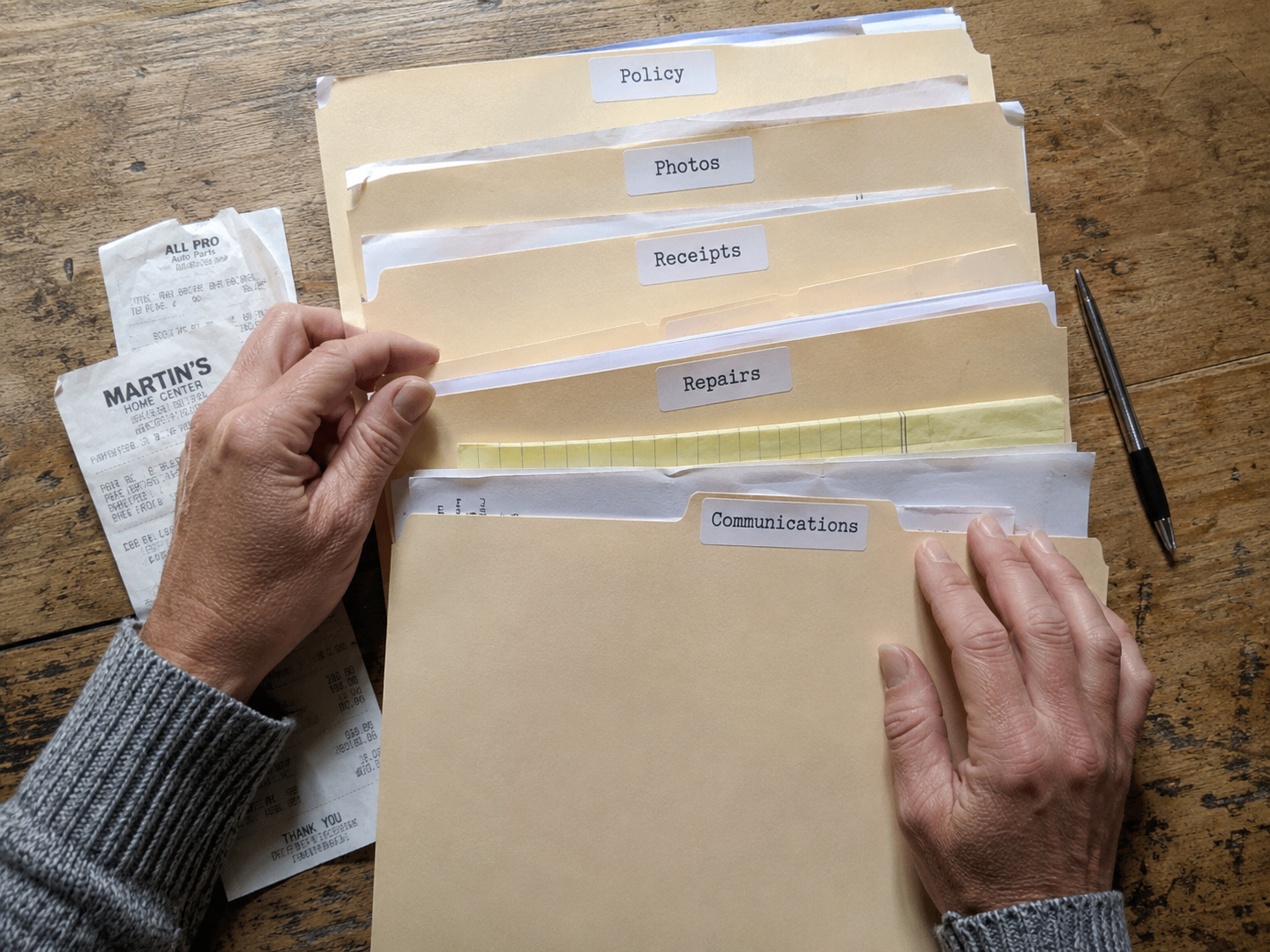
- The Action: You are entitled to a "comparable" lifestyle. Keep a dedicated folder for every meal, mile driven, and laundry receipt. If they deny a reasonable hotel stay, that is your first piece of evidence for a Bad Faith claim.
DEMAND THE "CERTIFIED" POLICY
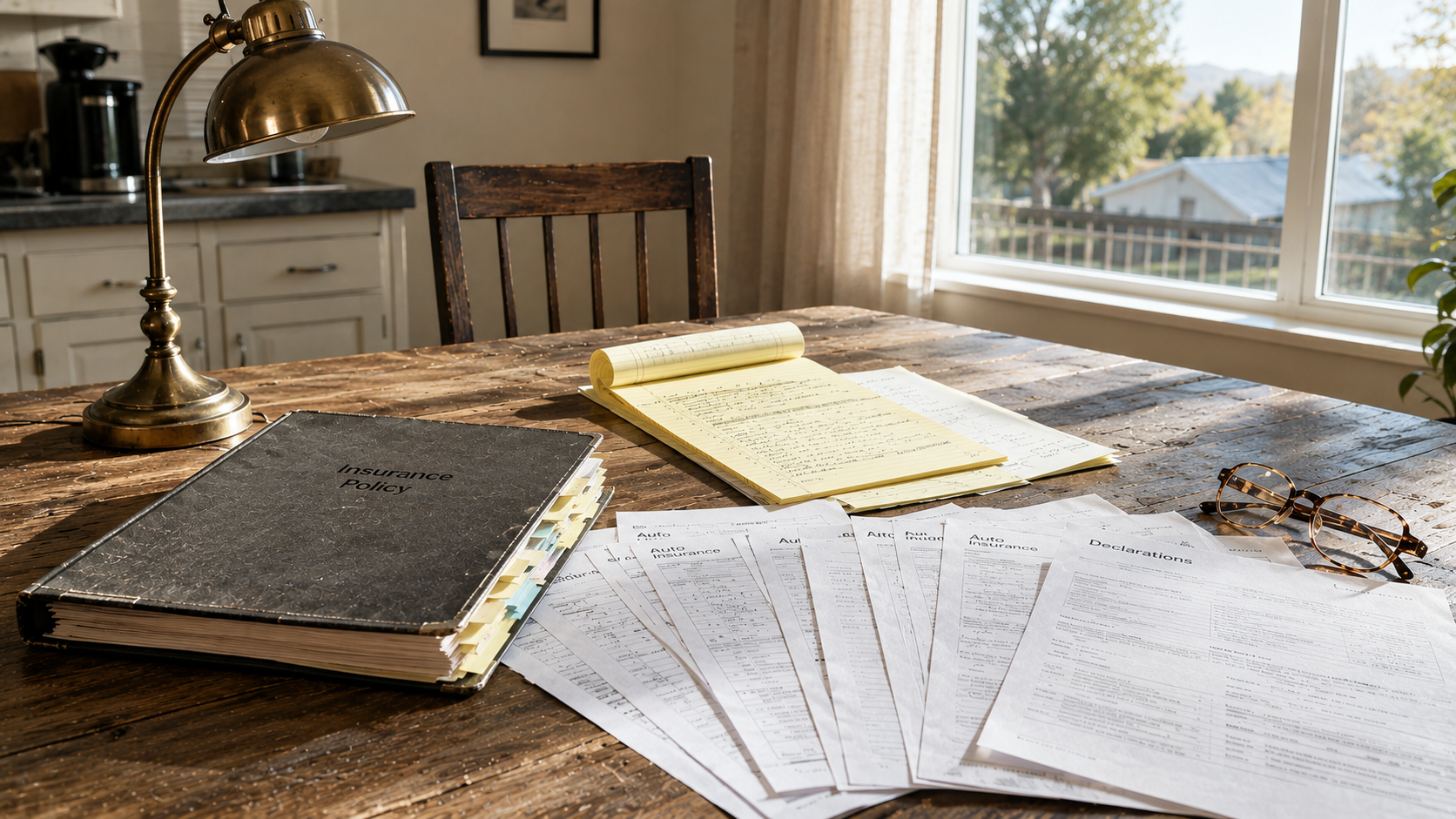
You cannot hold them to a contract you haven't read.
- The Action: Send an email today: "Please provide a complete, certified copy of my policy, including all endorsements and the most recent Declarations Page." Do not rely on the "Policy Summary" they gave you when you bought the insurance.
THE LEGAL VERDICT
Fire claims are the most common grounds for Bad Faith litigation in California because the damages are so high that insurers are incentivized to "over-investigate" and under-pay. If your adjuster is already talking about "cleaning" instead of "replacing," they are following a playbook.
.png)