For decades, statutes of limitations protected abusers more than they helped victims. California has changed that.
AB 218 (Childhood Sexual Abuse): California extended the deadline for childhood sexual abuse claims. Survivors can pursue civil claims until age 40 — or within 5 years of discovering the connection between the abuse and the psychological injury, whichever is later.
AB 2777 (Adult Sexual Assault): A separate framework extends the deadline for adult survivors of sexual assault — including a "lookback window" for previously time-barred cases against employers, organizations, or institutions.
The "Discovery Rule": Many survivors don't recognize the connection between their trauma and the abuse until years later. California law accounts for this — the clock can start when you first understood the harm, not just when the abuse occurred.
Civil vs Criminal: The criminal statute of limitations is separate from the civil one. Even when criminal charges can no longer be filed, your civil claim may still be viable.
When Institutions Enable the Abuse
Sexual abuse rarely happens in a vacuum. The organizations and people who looked away — or covered up — can also be held accountable.
Schools, universities, and youth programs that failed to investigate, screen, or supervise
Religious organizations with histories of abuse cover-ups
Foster care and group homes where children in state custody were harmed
Employers who failed to prevent, investigate, or act on workplace sexual misconduct
Sports programs, gyms, and clubs that didn't follow proper screening and reporting protocols
Medical facilities, hospitals, and care providers whose staff abused patients
Camps, after-school programs, and tutoring organizations
Foster parents, group home operators, and licensed caregivers
Hotels and businesses that ignored reports of abuse on their premises
How We Work With Survivors
These cases require more than legal experience. They require care, discretion, and a process that respects your healing as much as your pursuit of justice.
Confidentiality at Every Step: Initial consultations are private and protected by attorney-client privilege. We discuss your options without filing anything until you decide you're ready. Many survivors take months to make decisions — there is no pressure.
You Set the Pace: Some survivors want to move quickly. Others need time. We adapt our approach to where you are. Filing a lawsuit is your choice — we explain the consequences, not push the timeline.
Privacy Throughout Litigation: California courts allow "Doe" filings in many sexual abuse cases, keeping your identity protected from public records. We use every legal tool available to protect your privacy from start to finish.
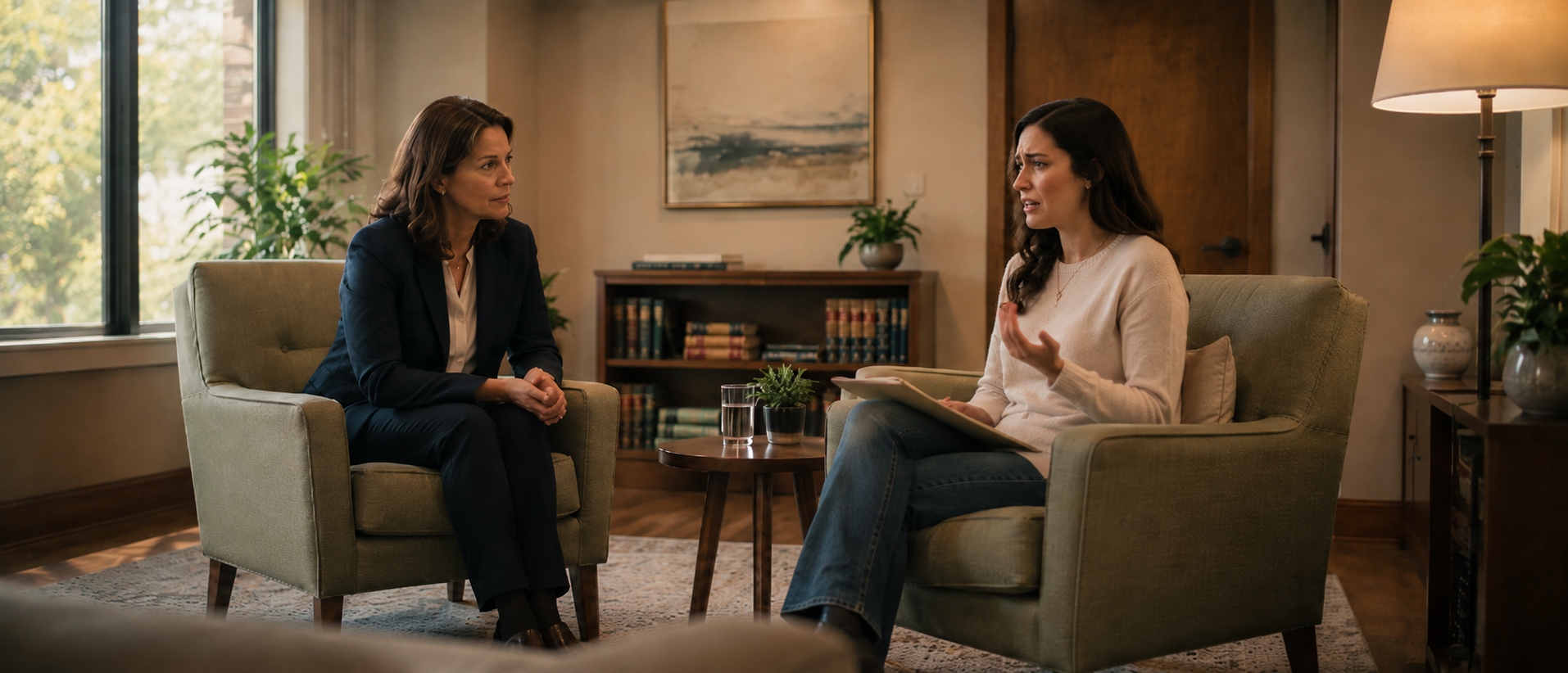
Coordinated Support: Legal action is one part of a larger journey. We work with — not against — your therapist, doctor, and support network. When useful, we connect survivors with trauma-informed resources outside our office.









.png)