Every product liability claim falls into one of three categories. Knowing which one applies decides how the case is built.
Design Defects: The product was dangerous the moment it was drawn on a whiteboard. Every unit built has the same flaw. Examples: SUVs prone to rollover, cribs with strangulation gaps, medical devices with inadequate safety margins.
Manufacturing Defects: The design was safe, but something went wrong on the assembly line. A single unit (or batch) is dangerous due to substandard materials, missed quality control, or contamination. Examples: an airbag that fails to deploy, a contaminated medication batch, a brake line that wasn't tightened.
Failure to Warn: The product is inherently risky and the manufacturer didn't provide adequate warnings or instructions. Examples: prescription drugs with hidden side effects, power tools without operating warnings, children's toys without choking-hazard labels.
Common Product Defect Cases
We've represented California consumers across every category of defective product injury.
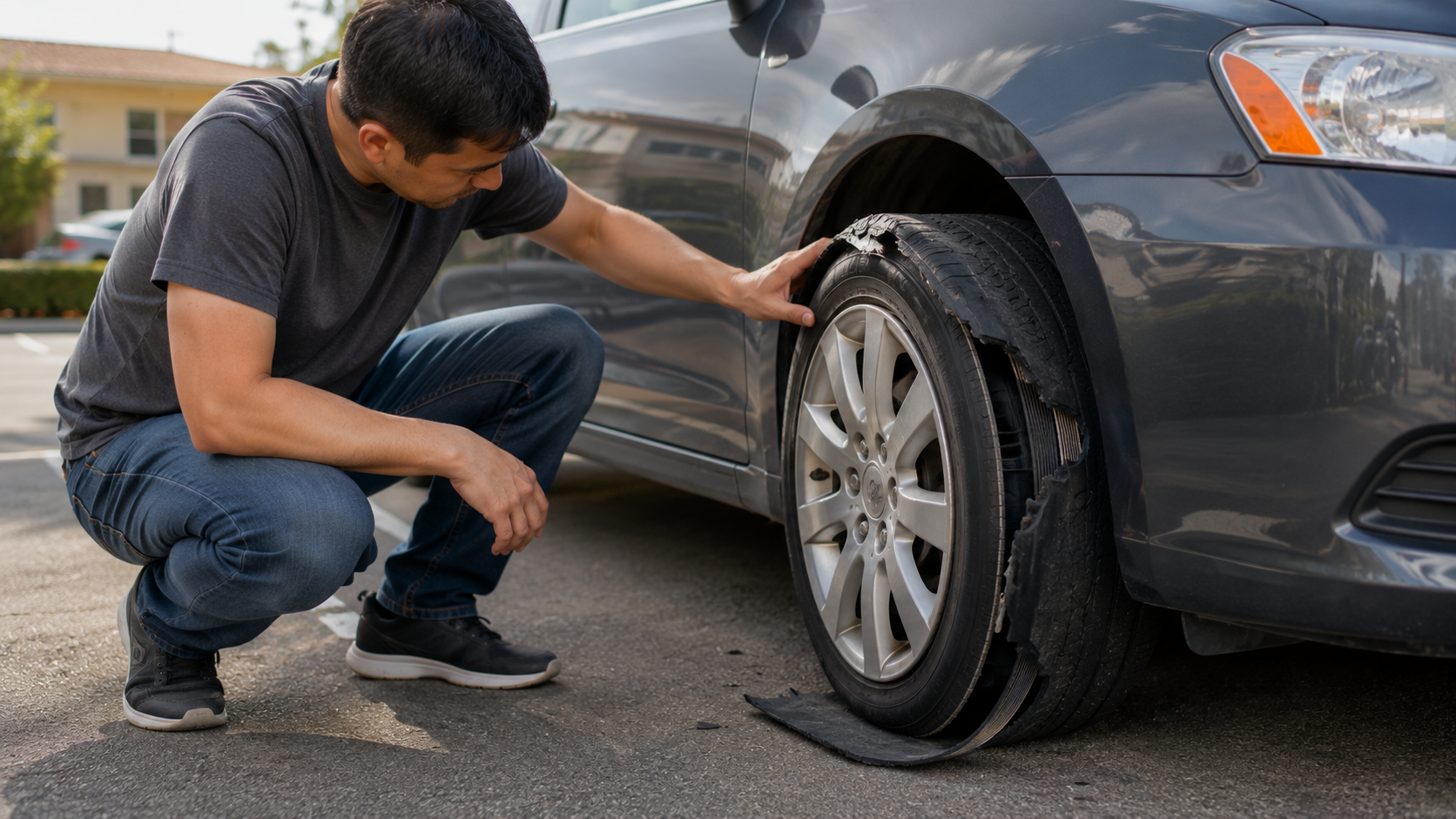
Defective vehicle parts (airbags, brakes, tires, seat belts)
Auto rollover and SUV stability defects
Dangerous pharmaceutical drugs and undisclosed side effects
Medical device failures (hip implants, IVC filters, surgical mesh)
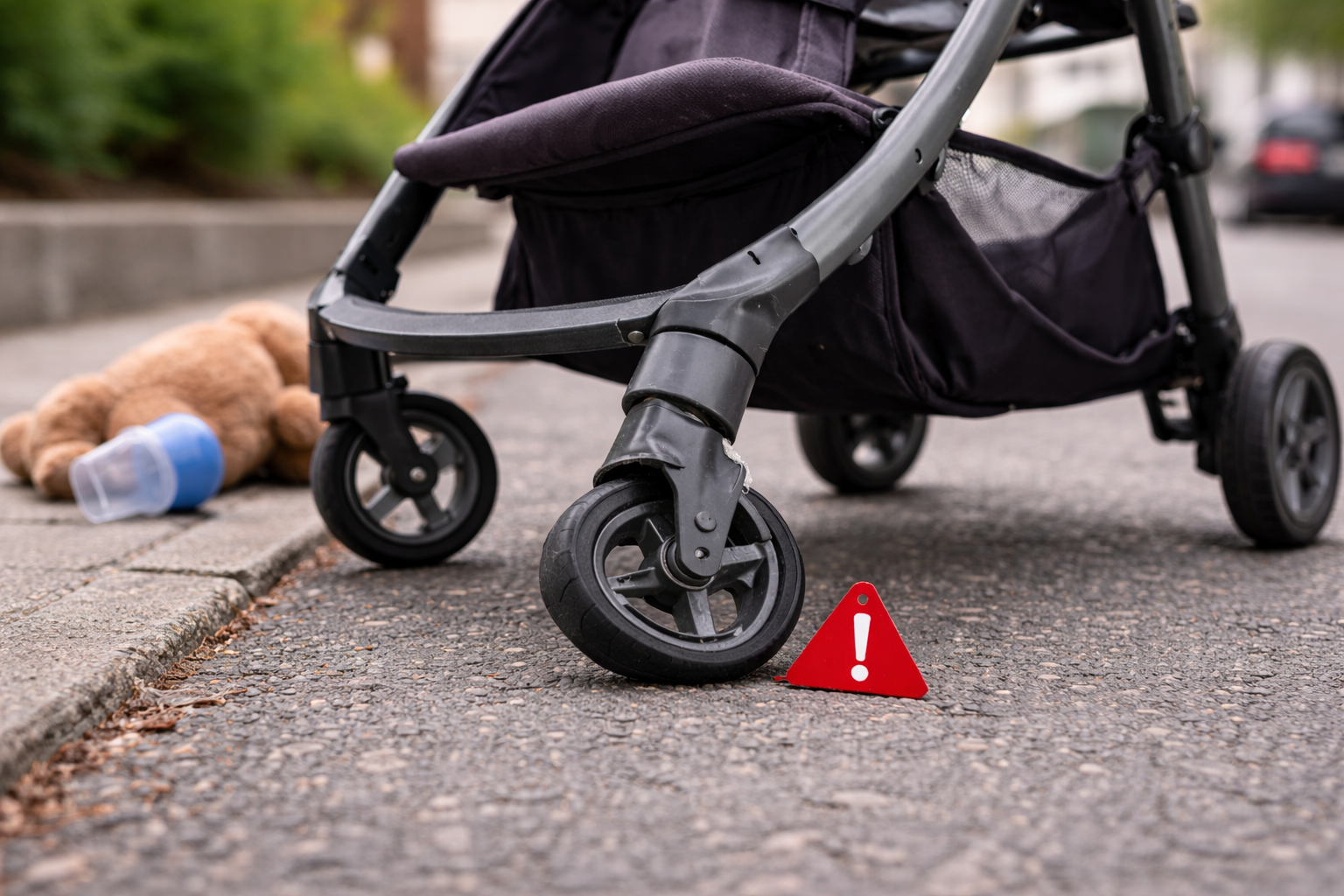
Defective children's toys, cribs, and car seats
Power tool and equipment injuries
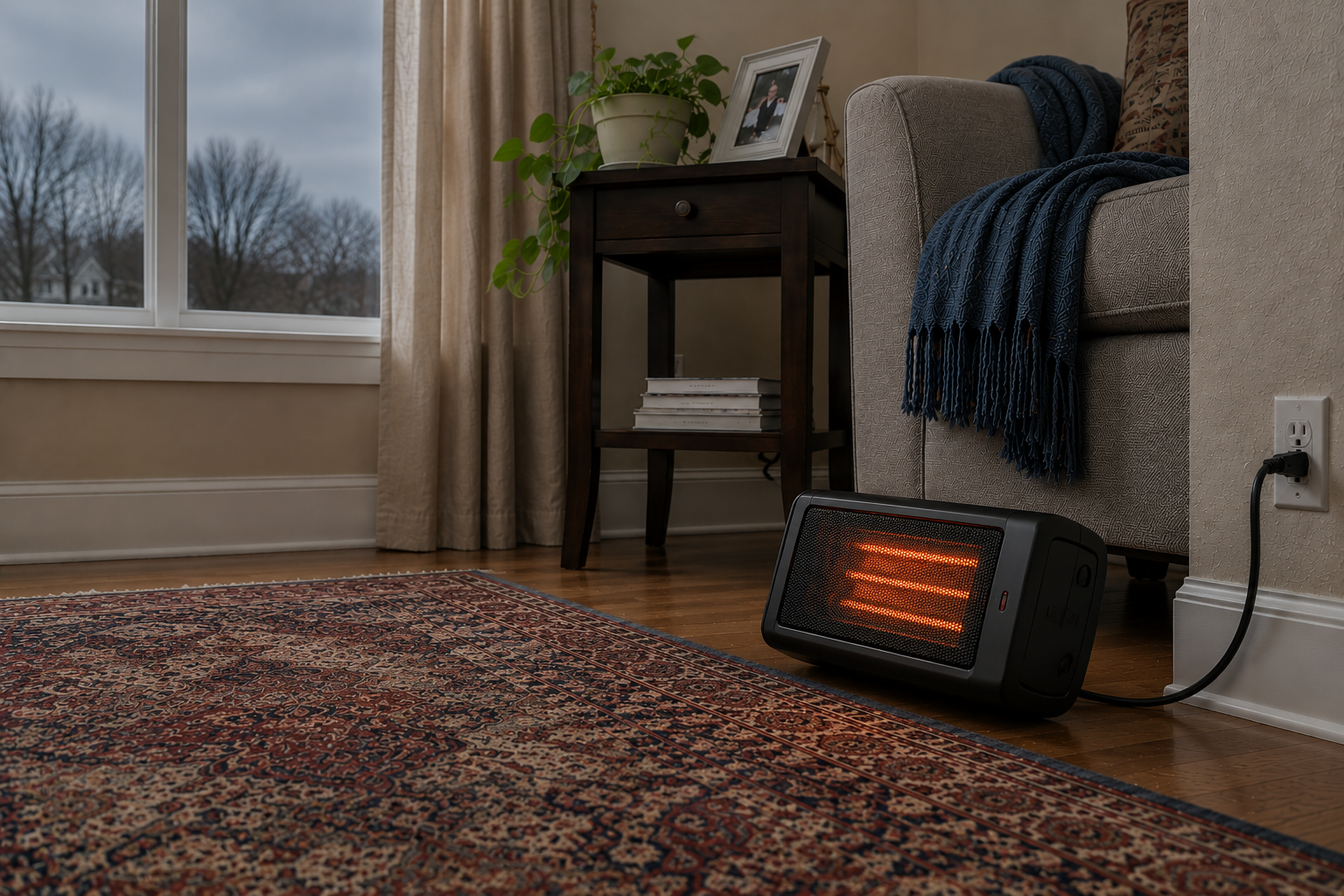
Appliance fires and electrical defects
Defective construction materials and building products
Preventing the Evidence That Wins the Case
The defective product itself is the most important piece of evidence. Lose it and the case becomes ten times harder.
Do Not Repair, Discard, or Return: Manufacturers love nothing more than when you ship the product back to them. Once it's gone, they can claim it never existed in that condition. Keep it exactly as it was at the moment of failure.
Photograph Everything: The product, the packaging, the instructions, the receipt, the warning labels (or the absence of them). Every piece of paperwork that came with the product is potential evidence.
The "Chain of Custody" Matters: From the moment you suspect a defect, document who has touched the product, where it's stored, and any changes to its condition. We help you build this chain so it can't be challenged at trial.
When a product fails, the manufacturer should pay. We make sure they do.







.png)